
Call us for a free quote on +27 875 502 498
For business customers contact us on +27 875 502 497
Expert Mouse Control & Removal in South Africa
Finding a mouse in your home or business is more than just unsettling, it’s a serious health and safety risk. A single mouse can contaminate food, spread diseases, and cause severe damage by chewing through electrical wiring, insulation, and furniture.
With over 58 years of local pest control experience, Rentokil Initial South Africa provides professional mouse control for homes and businesses nationwide. We combine expert technicians, and preventative proofing to eliminate a lone mouse before it turns into a massive infestation.
Rentokil SA is a registered member of the South African Pest Control Association (SAPCA), with qualified technicians under Act 36 of 1947, guaranteeing safe and compliant solutions. .
Worried about a mouse infestation? Chat us on Whatsapp for fast assistance.
Why You Need to Act Fast Against a Mouse Infestation
A mouse infestation in South Africa can escalate quickly. In our climate – particularly during colder months and in densely built areas – mice actively seek indoor shelter and reproduce rapidly, meaning a small, unnoticed problem can escalate into a full infestation within weeks.
Key risks include:
- Property Damage: Mice gnaw constantly, causing damage to insulation and ceilings, pipes, doors, and electrical wiring (a major fire risk).
- Contamination: Mice spread bacteria and viruses through urine and droppings, causing diseases like Salmonellosis and Hantavirus.
- Security Risks: Mice can squeeze through openings as small as 6mm and will enlarge gaps in walls compromising your building's security.
Types of Mice found in South Africa
When we think of wildlife, our minds often jump to the Big Five. However, our country is also home to a diverse and fascinating collection of small mammals that play a crucial role in our ecosystem. South Africa’s rodent population is a mix of urban adapters and wild specialists.
These rodents thrive in homes, warehouses, restaurants, farms, and office buildings where food and shelter are available


Commercial Mouse Control for Businesses
Mice can quickly damage your reputation and endanger food safety compliance. Rentokil’s commercial mouse control programmes are tailored for restaurants, supermarkets, warehouses, and healthcare facilities.
- Free Site Survey: We assess the risk and identify entry points.
- My Rentokil App: My Rentokil App: MyRentokil portal provide 24/7 access to pest activity reports and information.
- Compliance: We ensure you meet South African health and food safety standards (HACCP/AIB/FSSC).
Mouse Proofing: Prevention is Better than Cure
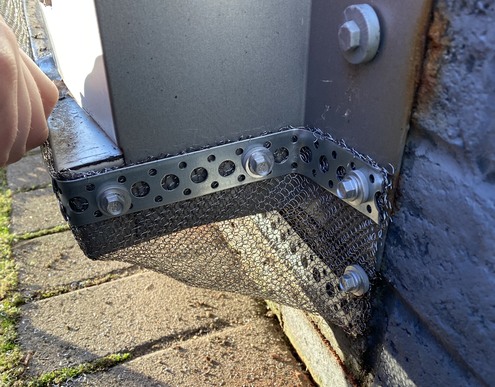
The most effective rodent repellent is a physical barrier.
For Homes
For Homes
- Seal holes around pipes, air bricks, and vents with systems like Rentokil Flexi-Armour.
- Store food in airtight containers and clean up crumbs immediately.
- Keep rubbish bins tightly closed and emptied regularly.
- Maintain tidy lofts, garages and under-sink spaces to remove nesting areas.
For Businesses

For Businesses
- Inspect delivery bays and external walls for cracks or damaged brickwork.
- Keep waste zones clean and regularly sanitised.
- Store goods off the floor and rotate stock frequently.
- Consider professional proofing systems like Rentokil Flexi-Armour.
DIY vs Professional Control
We offer a range of DIY solutions for small problems, including mouse bait stations and traps available at supermarkets. However:
- DIY poisons often fail in large infestations
- Over-the-counter products are often not strong
If you are unable to get the problem under control, you need the assistance of a Rentokil expert.
Frequently Asked Questions about Mice
-
How Do I Know If I Have Mice or Rats?
You can distinguish a mouse from a rat by size, droppings, and damage. Mice are much smaller with large ears and thin tails, leaving tiny, pointed droppings. Finding mice in your home usually means discovering chewed food packaging, whereas rats cause heavier structural gnawing and leave larger, capsule-shaped droppings.
-
How Small a Gap Can a Mouse Fit Through?
A mouse can squeeze through a gap as small as a quarter of an inch, roughly the size of a standard pencil. Having mice in house structures often stems from unsealed utility entry points, gaps under doors, or cracked foundations, making thorough structural proofing essential for effective control.
-
If I See One Mouse, Are There More?
Yes, seeing a single mouse usually indicates more mice in house spaces nearby. Mice reproduce rapidly, with a single female capable of producing up to ten litters per year. Because they are nocturnal and elusive, an isolated sighting typically means a small colony has already established itself indoors.
-
Where Do Mice Hide in a House?
When mice in house environments establish nests, they seek warm, quiet areas close to food. Common hiding spots include cavity walls, suspended ceilings, behind kitchen appliances, under cabinets, and inside cluttered attics or basements. They build nests using shredded materials like paper, insulation, and cardboard.
-
Are Mice Dangerous?
Yes, a mouse infestation poses serious health and safety risks. Mice carry diseases such as Hantavirus, Salmonellosis, and Leptospirosis, which spread through their droppings, urine, and saliva. Furthermore, their continuous gnawing on electrical wiring inside walls creates a severe fire hazard for home and business owners.
-
Will Mice Come Back After Treatment?
Mice can return if structural entry points remain unsealed after treatment. A professional mouse control service eliminates active populations and identifies structural vulnerabilities. To ensure long-term prevention, property owners must combine professional treatment with ongoing sanitation and entry point exclusion to keep mice out permanently.